Visual inconsistency rarely shows up on a balance sheet.
But it absolutely costs organizations money.
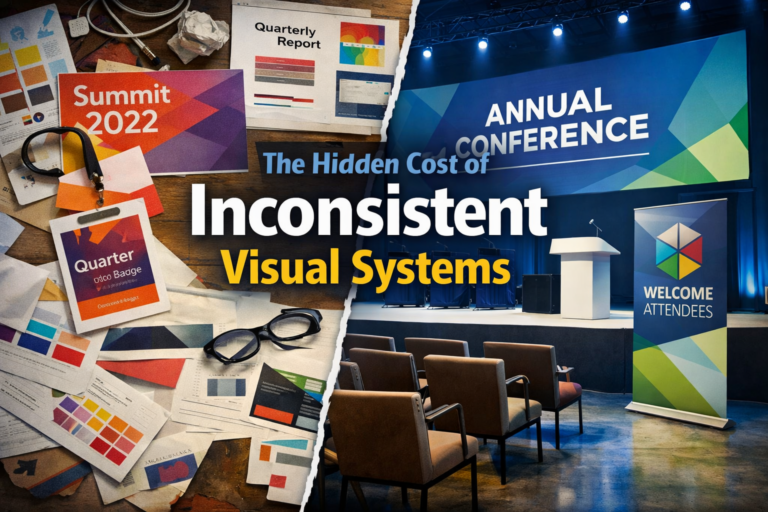
Not in obvious ways — like printing errors or logo misuse — but in slower momentum, diluted credibility, and operational inefficiency.
For associations and mission-driven organizations especially, inconsistency compounds quietly over time.
Inconsistency Is Operational Friction
When a visual system isn’t clear or scalable, teams spend time reinventing instead of executing.
Marketing debates fonts.
Event teams recreate graphics from scratch.
Vendors interpret brand rules differently.
Chapters improvise.
Each instance feels small.
Together, they create friction.
And friction slows everything down.
The Credibility Tax
Associations depend on trust.
Members, sponsors, partners, and attendees form impressions quickly. If an event microsite feels disconnected from the parent brand, or email campaigns don’t align with website design, the organization appears fragmented.
Not incompetent.
Just smaller. Less cohesive. Less authoritative.
That perception matters.
Consistency signals:
Stability
Professionalism
Strategic clarity
Organizational maturity
Inconsistent visuals quietly undermine all four.
The Time Drain No One Tracks
One of the biggest hidden costs is time.
How many hours are spent:
Rebuilding slides?
Reformatting sponsor decks?
Correcting brand usage?
Searching for the “right” logo file?
Debating layout decisions already made last year?
Without a structured system, those hours multiply across departments.
Multiply that across a year — across multiple teams — and inconsistency becomes expensive.
The Event Amplifier Effect
Events magnify visual inconsistency.
Conferences require:
Signage
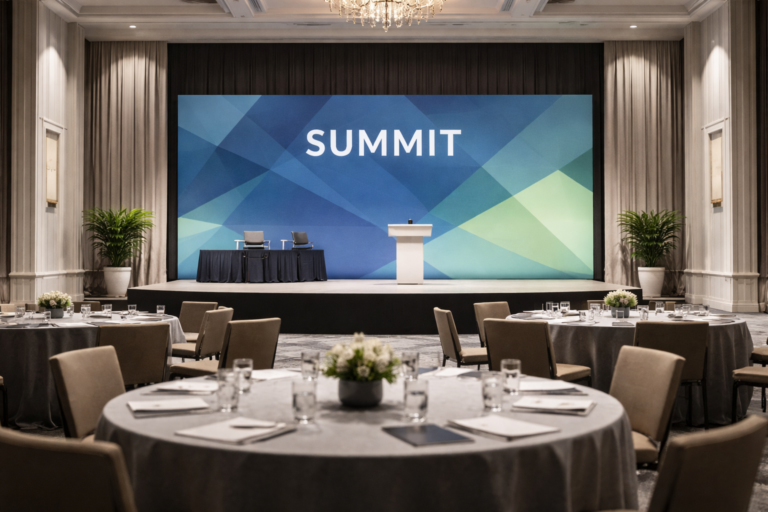
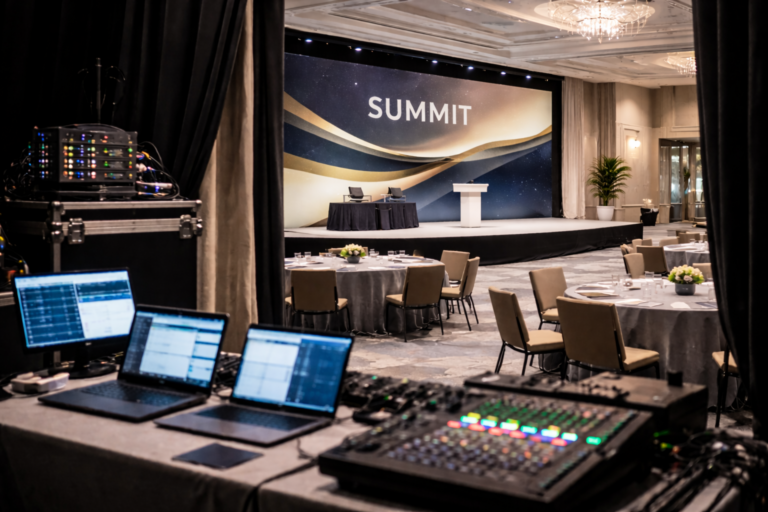
Stage backdrops
Social graphics
Email campaigns
Registration microsites
Sponsor materials
Swag
If the system isn’t modular and clearly defined, each new touchpoint becomes an improvisation.
By the time attendees arrive, the brand feels loosely assembled rather than intentionally designed.
And events are often the highest-visibility brand moments an association has.
The Real Root Problem
Most organizations don’t lack design talent.
They lack infrastructure.
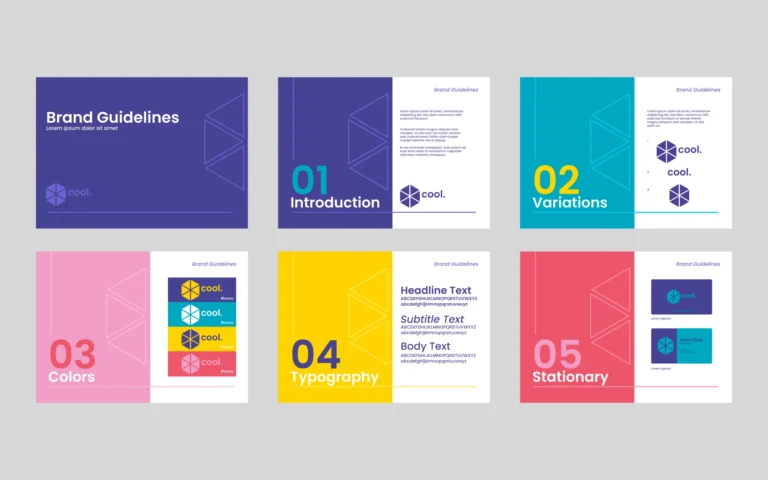
A strong visual system includes:
Defined hierarchy
Modular layouts
Accessible typography standards
Color applications with guardrails
CMS-compatible modules
Event extension frameworks
Shared asset libraries
Governance ownership
Without structure, even good design degrades.
The Compounding Effect
Inconsistency compounds in three ways:
Visual Drift
Small deviations become normalized.Increased Effort
Teams work harder to maintain cohesion manually.Strategic Dilution
The brand loses clarity over time.
Fixing inconsistency later is always more expensive than designing for scale early.
The Shift From Aesthetic to System
A logo refresh won’t fix inconsistency.
A rebrand won’t fix inconsistency.
What fixes it is systems thinking.
Designing for:
Real workflows
Real deadlines
Real CMS limitations
Real event complexity
When the system works:
Teams move faster
Vendors align quickly
Events feel cohesive
The organization appears stronger
Consistency isn’t about control.
It’s about clarity.
—
If your organization is preparing for a major event, digital refresh, or brand evolution, I’m currently opening space for one ongoing creative partnership this quarter.
— Sam Segal