Introduction
Design trends move fast.
Gradient waves. Ultra-bold typography. Minimalist sans overload. Retro revivals. 3D gloss. Brutalism. Soft neutrals. Maximal color.
Each wave arrives with energy and urgency.
For startups chasing attention, that pace can make sense.
For associations and mission-driven organizations, it usually doesn’t.
Because your brand isn’t built for the next quarter.
It’s built for the next decade.
The Cost of Trend-Driven Branding
Trends aren’t inherently bad.
They reflect cultural shifts and aesthetic evolution. But when organizations adopt trends without strategic filtering, they risk building something that expires quickly.
What happens next?
A redesign conversation in 18–24 months
Reprinting collateral
Updating event materials
Rebuilding templates
Re-aligning vendors
Re-educating internal teams
Momentum stalls.
Budgets stretch.
Trust in the brand’s stability weakens.
For member-based organizations, stability matters.
Longevity Signals Confidence
Timeless design doesn’t shout.
It communicates through clarity, hierarchy, and restraint.
Longevity-focused branding emphasizes:
Strong typographic systems
Balanced color frameworks
Structured grid logic
Modular layouts
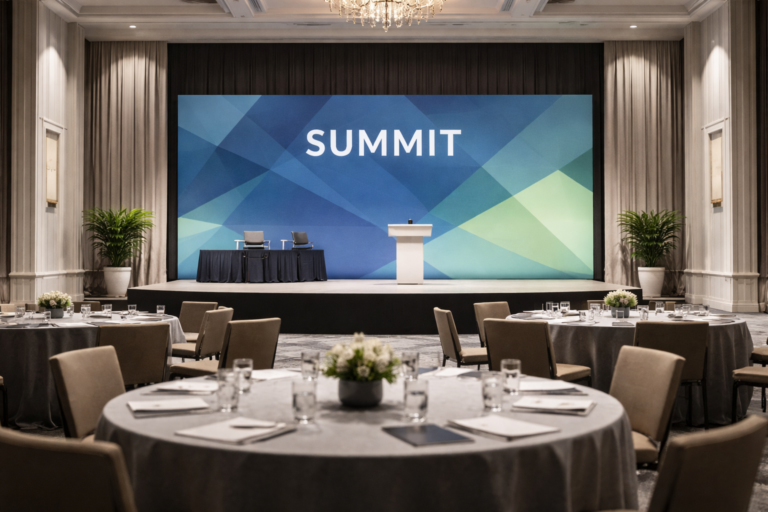
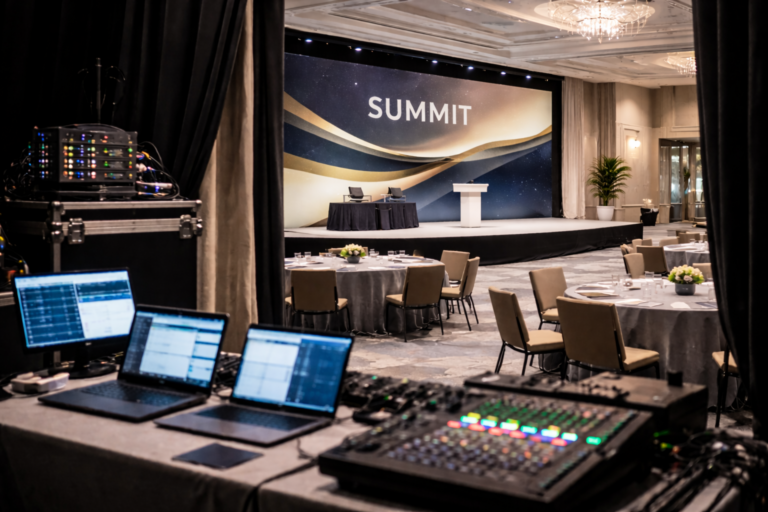
Scalable event extensions
Accessibility standards
Instead of asking:
“What’s current?”
It asks:
“What will still feel credible five years from now?”
That question changes everything.
Associations Don’t Need to Look Trendy
They need to look:
Competent
Stable
Professional
Clear
Thoughtful
Members and sponsors aren’t evaluating you based on the latest visual aesthetic. They’re evaluating trust.
Trust is built through consistency.
Consistency is built through systems.
Systems outlast trends.
The Difference Between Evolution and Reaction
Longevity doesn’t mean stagnation.
Mature brands evolve.
But they evolve intentionally.
They refine typography.
They adjust color balance.
They modernize layout logic.
They improve accessibility.
They optimize for digital.
They don’t rebuild their identity every time the industry shifts.
The difference is subtle but powerful:
Reaction is driven by external pressure.
Evolution is driven by internal clarity.
The Quiet Strength of Restraint
There’s something powerful about design that doesn’t try too hard.
Clear hierarchy.
Confident spacing.
Balanced contrast.
Purposeful color.
Typography that works across digital, print, and events.
When a brand system is designed for longevity, it gains equity over time.
Every conference reinforces it.
Every campaign strengthens it.
Every year builds familiarity.
That familiarity compounds.
And compound equity is far more valuable than short-lived excitement.
Designing With Time in Mind
If your organization is considering a brand refresh, it’s worth asking:
Is this change solving a structural problem?
Or responding to aesthetic fatigue?
Will this system scale across events, CMS platforms, and vendors?
Will it still feel credible in five years?
Designing for longevity requires restraint.
But restraint signals maturity.
And maturity builds trust.
—
If your organization is preparing for a long-term brand evolution rather than a short-term visual shift, I’m currently opening space for one ongoing creative partnership this quarter.
— Sam Segal