Scaling a brand isn’t about making it bigger.
It’s about making it repeatable.
For associations and mission-driven organizations, brand scale is tested constantly — across annual conferences, microsites, sponsor decks, email campaigns, social media, print collateral, and internal communications.
Each new touchpoint is an opportunity for alignment.
Or drift.
The difference comes down to system design.
The Problem: Growth Creates Fragmentation
As organizations grow, so do their outputs:
More events
More landing pages
More campaigns
More vendors
More internal contributors
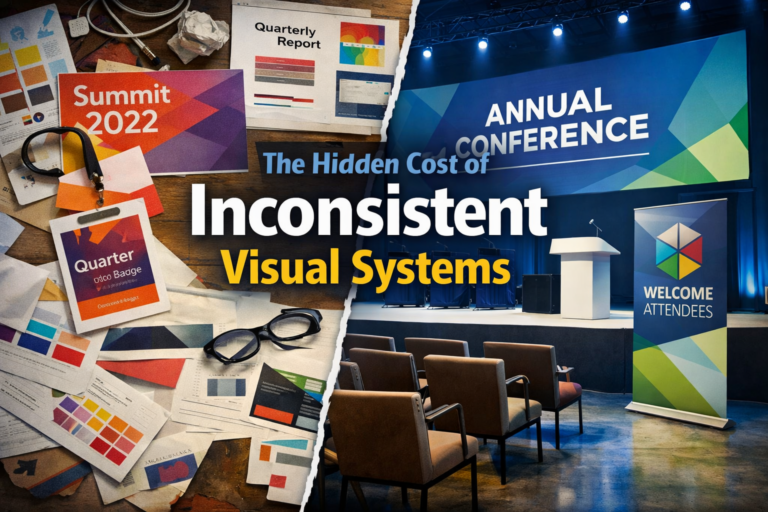
Without structure, growth leads to visual fragmentation.
An event looks slightly different from the parent brand.
Email headers shift.
Typography gets substituted.
Colors get adjusted “just a bit.”
None of it feels catastrophic.
Until it accumulates.
Cohesion Starts With Hierarchy
The first step in scaling without losing cohesion is defining hierarchy clearly.
Ask:
What is core and unchangeable?
What is flexible and adaptable?
How do sub-brands relate to the parent brand?
How do events extend rather than compete?
A scalable brand defines:
Primary elements:
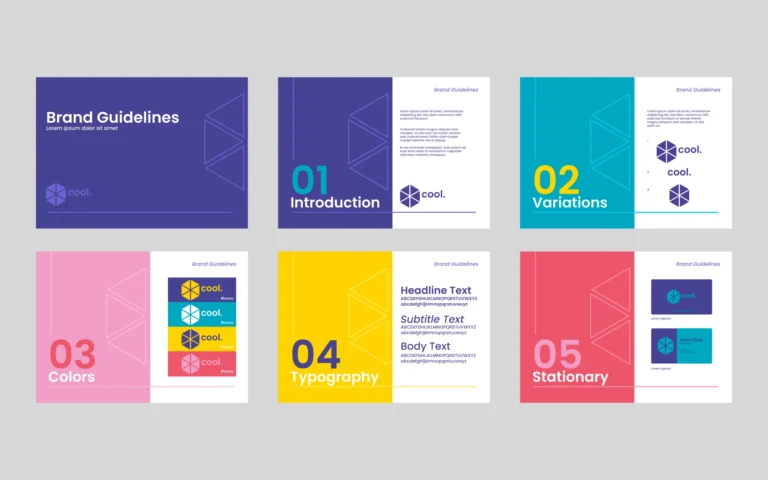
Logo, typography system, color foundation
Secondary elements:
Layout patterns, graphic motifs, imagery style
Tertiary elements:
Event themes, campaign-specific visuals, seasonal adjustments
Without this clarity, every initiative becomes its own design ecosystem.
Design for Modules, Not One-Offs
Scaling requires modular thinking.
Instead of designing:
One event microsite
One email template
One brochure
Design systems that can generate many variations:
Flexible grid systems
Reusable content blocks
Component-based digital modules
Event lockup frameworks
Print templates with consistent typographic rules
Modularity allows adaptation without reinvention.
It protects cohesion.
Align With Platform Realities
Digital, print, and event environments behave differently.
Your system must account for:
CMS limitations
Email platform constraints
Print production realities
Environmental scale in physical spaces
Accessibility requirements
A brand that looks beautiful in a brand book but breaks in a CMS isn’t scalable.
True cohesion is operational.
Create Clear Event Extension Rules
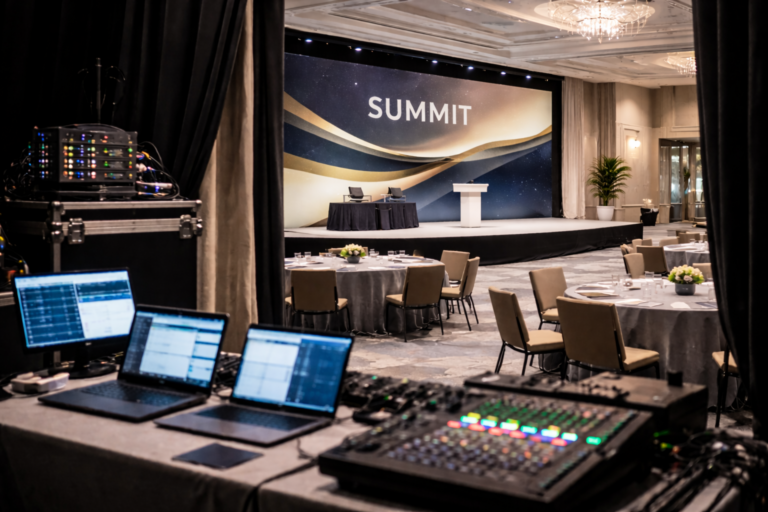
Events are often where cohesion breaks down.
Each conference wants its own personality.
That’s healthy — but it needs guardrails.
Strong brand systems define:
How event color palettes relate to the parent brand
How logos lock up with event names
What graphic elements can flex
How typography hierarchy remains consistent
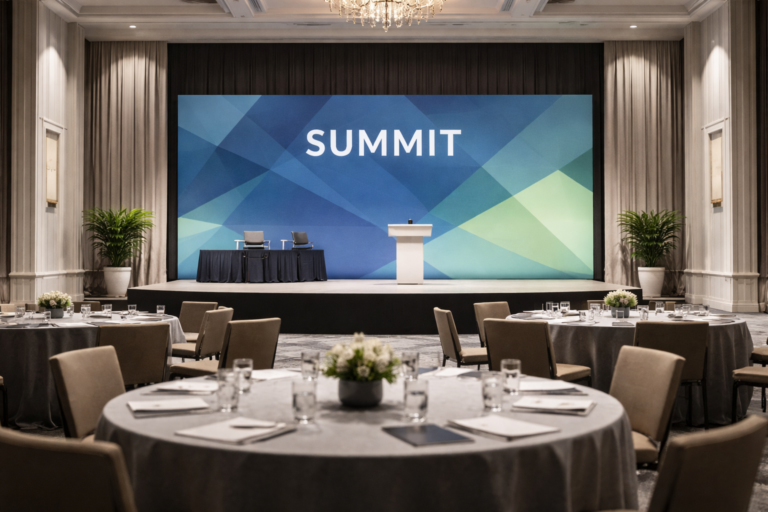
How stage design aligns with digital assets
When extension rules are clear, events feel distinct — but still connected.
Make the Right Choice the Easy Choice
Cohesion isn’t enforced.
It’s facilitated.
To scale successfully, provide:
Templates
Asset libraries
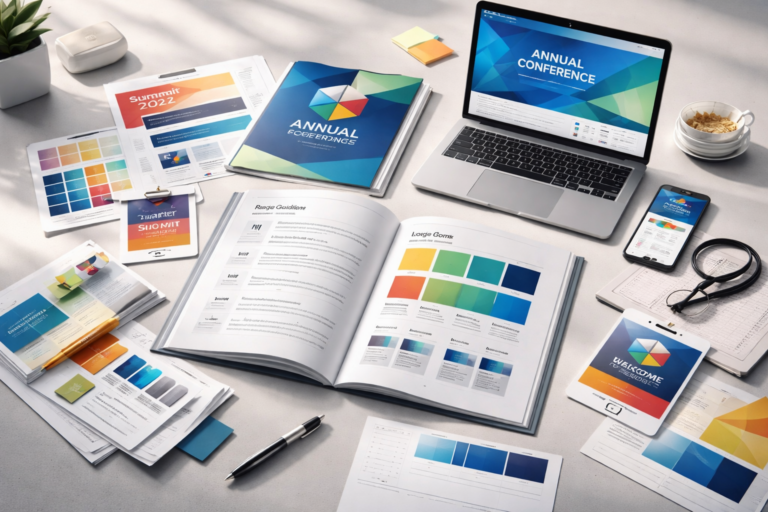
Clear documentation
Governance ownership
Vendor onboarding materials
If teams have to guess, they’ll improvise.
If you make the system intuitive, consistency becomes default behavior.
Cohesion Builds Brand Equity
When your brand feels cohesive across:
Website
Email
Social
Print
Events
Internal materials
You signal stability and maturity.
Stakeholders don’t consciously analyze it.
They feel it.
And that feeling reinforces trust.
Scaling isn’t about expansion.
It’s about clarity under complexity.
—
If your organization is preparing for a major event cycle or multi-platform expansion, I’m currently opening space for one ongoing creative partnership this quarter.
— Sam Segal