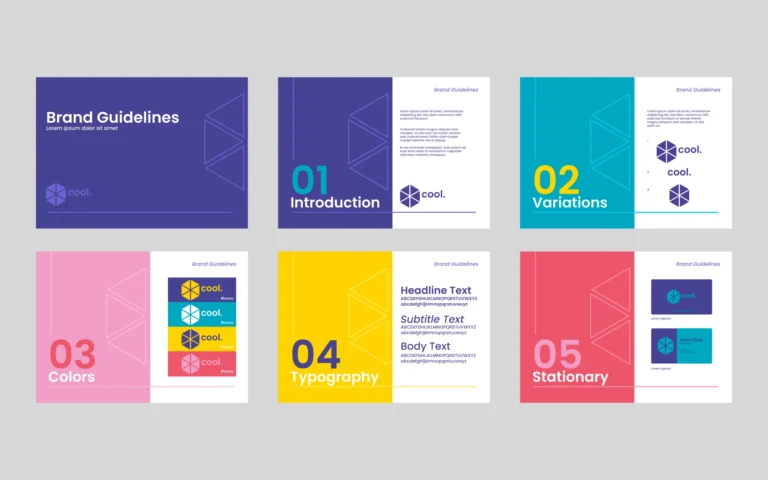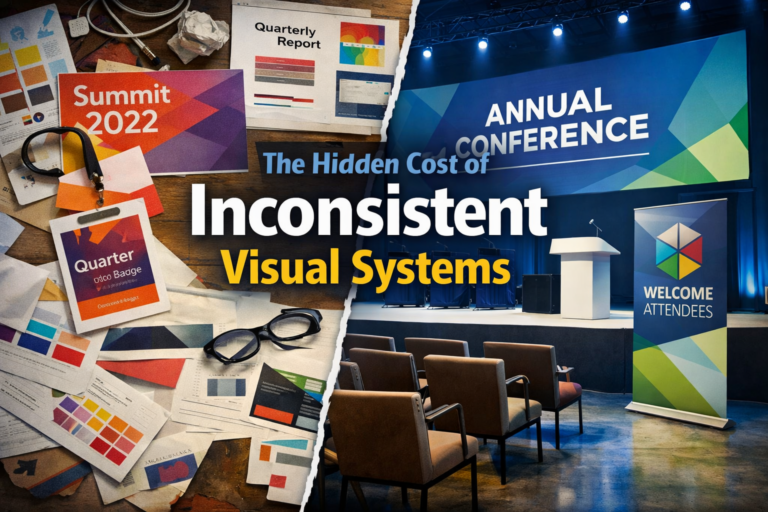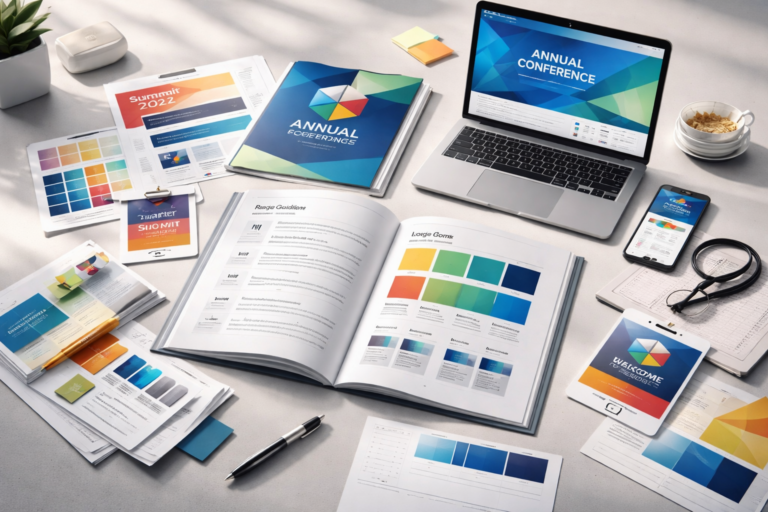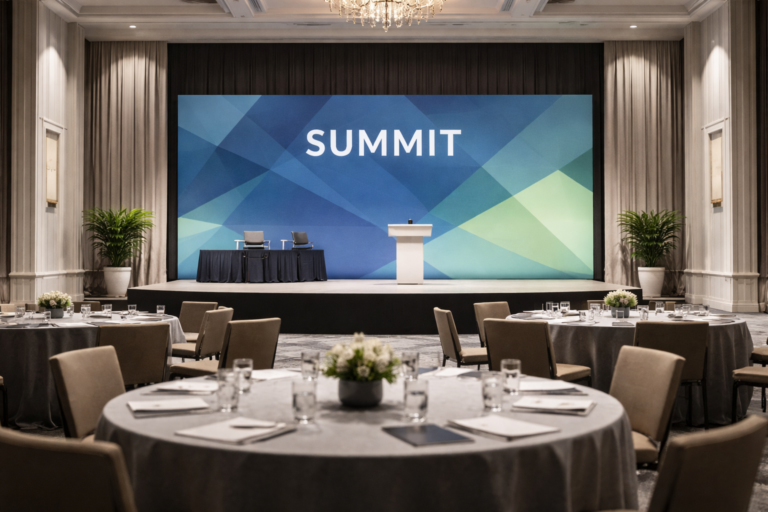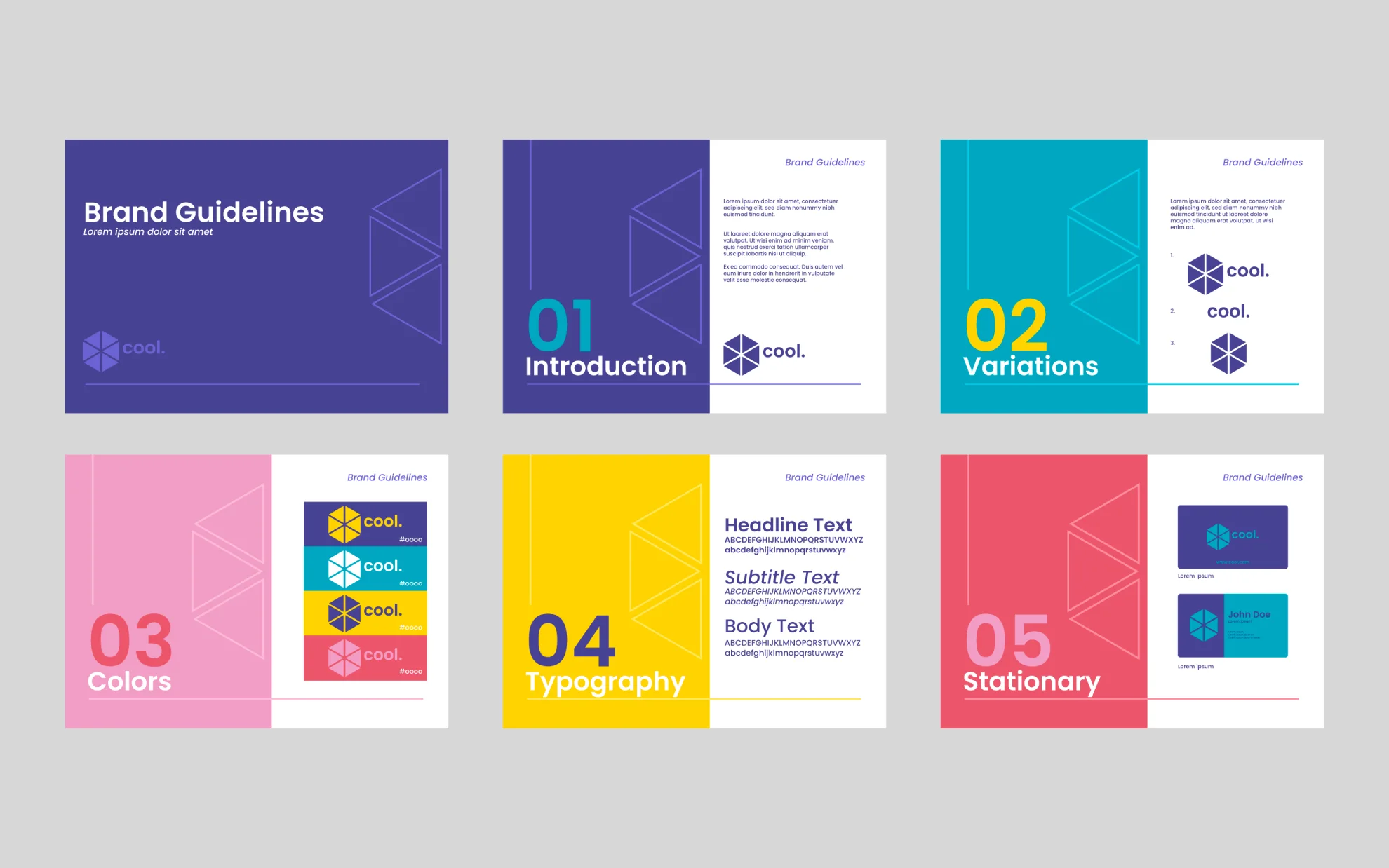
Most brand guidelines are beautifully designed.
And rarely opened.
They’re presented in a polished PDF, shared in a kickoff meeting, and quietly archived in a shared drive. Meanwhile, marketing teams return to tight deadlines, event planning chaos, and CMS constraints — and the brand slowly drifts.
The issue isn’t that people don’t care about consistency.
It’s that most brand guides are designed for presentation, not implementation.
The Problem: Guidelines Built for Designers
Traditional brand guidelines often focus on:
Logo clear space rules
Color swatches
Typography pairings
Inspirational imagery
All important. But incomplete.
Associations and mission-driven organizations don’t struggle with knowing the hex value of a primary color. They struggle with applying the brand across:
Event sub-brands
Sponsor overlays
Email campaigns
PowerPoint decks
CMS templates
Social graphics
Chapter-level materials
If the guide doesn’t account for real-world friction, it becomes reference material — not a working tool.
What Usable Brand Guidelines Include
Brand guidelines that actually get used share five characteristics:
1. They Prioritize Hierarchy Over Decoration
Teams need clarity on:
What’s primary vs. secondary?
What is flexible vs. locked?
Where is variation allowed?
Without clear hierarchy, people improvise.
2. They Show Real Applications
Instead of just saying:
“Use typography consistently.”
Show:
Email layouts
Social grids
Landing page modules
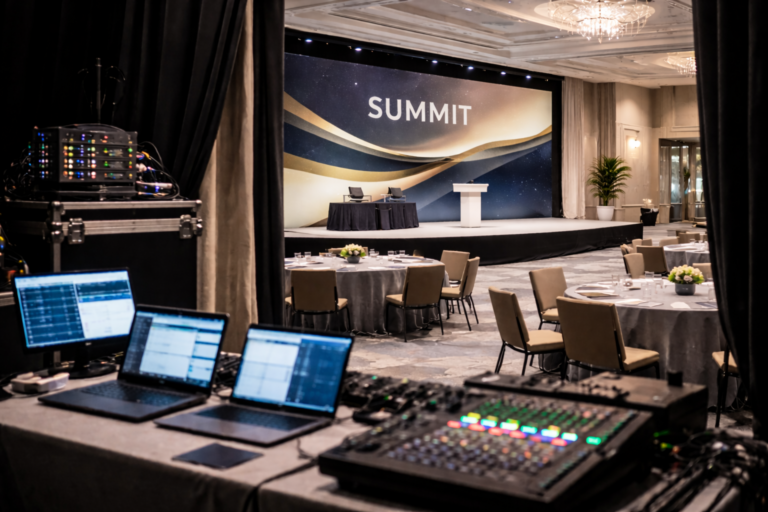
Event signage systems
Slide deck examples
When people see context, they replicate it.
3. They Account for CMS Limitations
Many organizations operate within platforms like WordPress, Drupal, or custom CMS frameworks.
If your brand system requires design freedom the CMS can’t support, the system breaks immediately.
Guidelines must align with technical reality.
4. They Include Templates
Templates remove guesswork.
Slide decks
Social post files
Email header modules
Event signage lockups
The easier you make implementation, the stronger the consistency.
5. They Assign Ownership
Without governance, drift is inevitable.
A brand system needs:
A steward
Clear approval process
Centralized asset library
Version control
Brand consistency isn’t maintained by intention.
It’s maintained by structure.
The Shift: From Brand Book to Brand System
A brand book is a document.
A brand system is infrastructure.
Associations, nonprofits, and multi-touchpoint organizations don’t need more inspiration — they need operational clarity.
When guidelines function as a working system:
New campaigns launch faster
Vendors align more quickly
Events feel cohesive
Internal teams feel supported instead of constrained
Consistency stops being a burden.
It becomes momentum.
The Test
If your team:
Frequently redesigns slides from scratch
Recreates logos for events
Debates which font to use
Adjusts colors “just slightly”
Stores assets in multiple places
Your brand guide is likely decorative, not functional.
The solution isn’t a thicker PDF.
It’s a clearer system.
—
If your organization is preparing for a brand refresh or needs to operationalize existing guidelines, I’m currently opening space for one ongoing creative partnership this quarter.
— Sam Segal